In the fast-moving landscape of modern interaction, the rhythm of engagement plays a subtle yet crucial role in shaping user experience. Tempo, often unnoticed, governs the pace at which individuals perceive, react, and adapt to stimuli, creating an invisible framework that dictates attention and behavior. When engagement aligns with this natural tempo, control becomes more intuitive, allowing users to navigate complex systems without friction or anxiety. This alignment is not merely a matter of speed but involves harmonizing the cadence of feedback, response, and interaction, ensuring that each touchpoint resonates with human cognitive patterns. By attuning engagement to tempo, designers and facilitators craft experiences that feel seamless and manageable, fostering confidence and reducing the likelihood of errors or frustration.
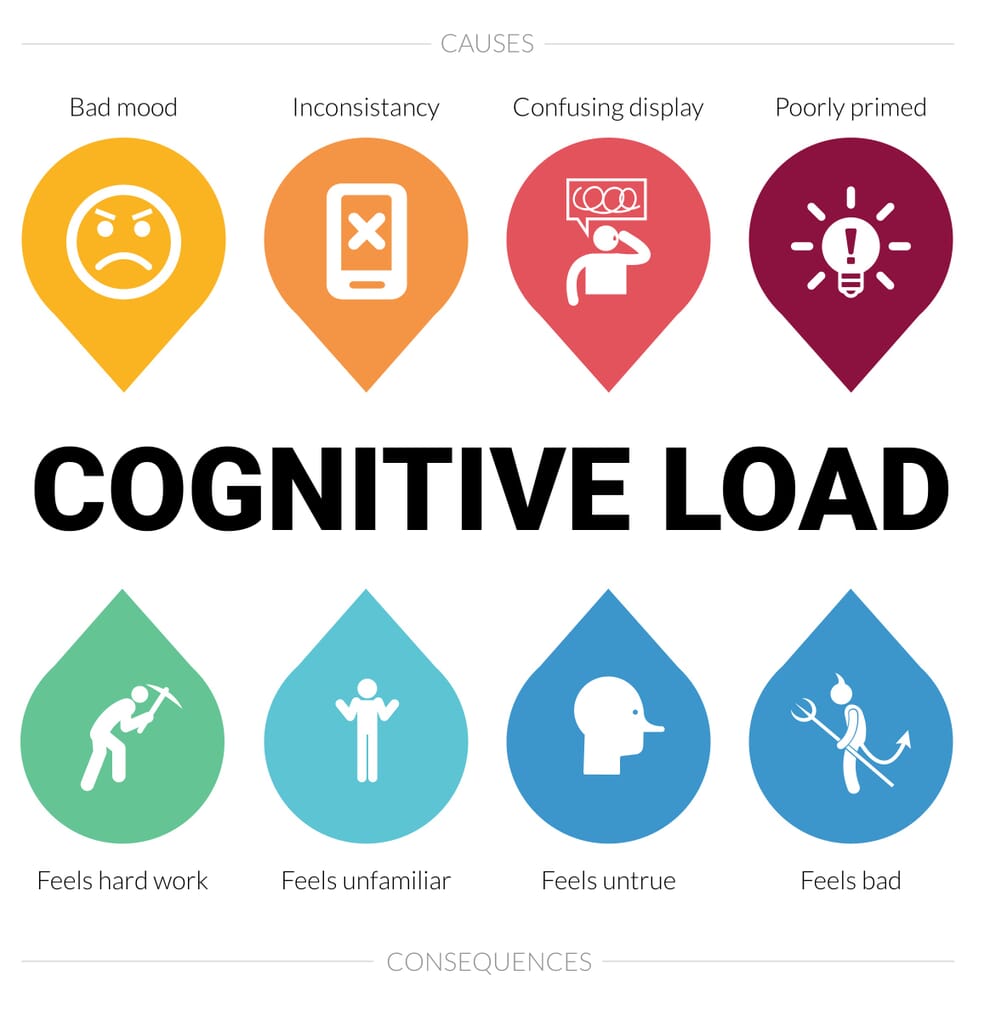
One of the primary effects of tempo-attuned engagement is its ability to modulate cognitive load. Human attention is limited, and when stimuli arrive too rapidly or unpredictably, mental resources are taxed, leading to fatigue and decreased performance. Conversely, overly slow interactions can disengage users, prompting distraction or disengagement. By calibrating the rhythm of notifications, prompts, or interactive elements to match natural attentional cycles, experiences maintain users within an optimal window of focus. This balance supports better comprehension, decision-making, and memory retention, creating an environment where control is not enforced but organically experienced. Users feel in charge because the system’s pace complements their mental processing, reducing stress and enhancing agency.
The concept of control in this context extends beyond mere task completion. It encompasses a user’s perception of mastery over the interface, workflow, or environment. Tempo-attuned engagement contributes to this perception by ensuring that feedback is timely, predictable, and relevant. Immediate responses to user actions provide reassurance that inputs are recognized and meaningful, reinforcing confidence in the system. Meanwhile, strategic pacing of more complex information or optional actions prevents overload, allowing users to assimilate content and make decisions at a comfortable rate. This nuanced control fosters not only effectiveness but also a sense of autonomy, which is essential for sustained engagement and satisfaction.
In interactive digital systems, such as applications or platforms, tempo attunement manifests in multiple ways. Animations, transitions, and loading indicators, when timed appropriately, convey responsiveness and reliability, guiding users’ expectations and actions. Interactive tutorials and onboarding sequences benefit from gradual introduction of functionality, pacing learning in manageable increments that avoid cognitive bottlenecks. Even gamified elements or reward mechanisms rely on tempo-sensitive cues to maintain motivation; too rapid a succession can feel chaotic, while too slow a cadence may dilute excitement. Thoughtful orchestration of these elements ensures that engagement flows naturally, making users feel competent and in control, rather than rushed or manipulated.
The psychological impact of tempo alignment is further reinforced by the predictability it introduces. Humans thrive on patterns, and consistent pacing provides a subtle form of reassurance. When users can anticipate the flow of interactions, they develop mental models that simplify decision-making and reduce uncertainty. This predictability does not equate to monotony; rather, it creates a stable scaffold upon which dynamic content or challenges can be introduced without causing disorientation. As users internalize the rhythm of engagement, they gain a deeper sense of command, as actions feel deliberate and outcomes feel coherent. In environments where stakes are high, such as financial tools, safety-critical interfaces, or collaborative workflows, this perceptual control can significantly reduce errors and enhance performance.
Moreover, tempo-attuned engagement influences social dynamics and collaborative contexts. In team settings, whether virtual or physical, the pacing of interactions affects coordination, information sharing, and collective decision-making. Rapid-fire exchanges can overwhelm participants, while overly slow interactions can stall progress. By calibrating the tempo of discussions, notifications, and response windows, facilitators can sustain engagement while preserving clarity and control. This extends to digital communities or platforms where collective behavior emerges; synchronized pacing fosters participation, reduces friction, and helps maintain equilibrium between active and passive contributors. Participants experience a smoother flow, leading to more balanced contributions and a sense of shared control over outcomes.
Beyond interface and team dynamics, tempo sensitivity intersects with emotional regulation. The rhythm of engagement can subtly guide affective states, calming anxiety or invigorating motivation as needed. Well-timed cues, pauses, or micro-interactions provide breathing space for reflection, allowing users to process information without reactive stress. Similarly, bursts of activity or feedback aligned with human attentional peaks can amplify excitement or satisfaction. By harmonizing temporal elements with psychological rhythms, experiences become not only more effective but also more humane. Users perceive themselves as actors rather than reactors, enhancing both confidence and willingness to engage repeatedly.
Implementing tempo-attuned engagement requires attention to both macro and micro temporal structures. Macro structures encompass overarching workflows, session lengths, and information sequencing, while micro structures involve milliseconds-scale response times, animation speeds, and micro-interactions. A cohesive strategy integrates these layers, ensuring that the overall experience maintains a steady, comprehensible rhythm. User testing and behavioral analytics are instrumental, revealing where tempo mismatches occur and how adjustments affect perception of control. Iterative refinement based on real-world interaction data allows for nuanced tuning, balancing efficiency, satisfaction, and cognitive comfort.
Finally, the benefits of tempo alignment extend into habit formation and long-term engagement. Humans are highly responsive to consistent patterns, and when engagement tempo aligns with natural rhythms, it supports routine building and sustainable interaction. Users internalize the cadence of successful behavior, creating habits that feel effortless rather than forced. In educational applications, productivity tools, or habit-forming platforms, this leads to enduring mastery and self-efficacy. The sense of control cultivated through tempo-sensitive design translates into resilience against distraction, frustration, or disengagement, establishing a stable foundation for continuous improvement and growth.
In conclusion, tempo-attuned engagement is a subtle but powerful mechanism that enhances user control across cognitive, emotional, and behavioral dimensions. By aligning the pace of interaction with human attention, perception, and expectation, systems foster clarity, confidence, and autonomy. The resulting experience is not only more efficient but also more satisfying, as users feel competent and in command rather than hurried or overwhelmed. From interface design to social dynamics, emotional regulation, and habit formation, the careful orchestration of temporal rhythms ensures that engagement is both effective and humane. In environments that demand precision, adaptability, or sustained focus, this attunement to tempo becomes an indispensable tool, transforming passive interaction into empowered participation and creating a seamless bridge between action and perception.
The influence of tempo is often invisible, yet its effects ripple through every interaction, guiding focus, regulating emotion, and enhancing mastery. Users who experience this alignment are more likely to engage meaningfully, respond thoughtfully, and maintain control over their journey. In a world saturated with stimuli, where the pace of information can overwhelm or distract, tempo-attuned design serves as a stabilizing force. It structures the flow of engagement, harmonizes expectation with reality, and ultimately nurtures a sense of agency. By embracing the rhythms inherent to human cognition and behavior, designers, facilitators, and leaders cultivate experiences that are not only efficient and effective but profoundly empowering, ensuring that control is not imposed but naturally experienced.
This careful synchronization fosters a feedback loop where confidence breeds more engagement, and measured pacing reinforces competence. Even in high-pressure environments, tempo-aware design mitigates stress, reducing impulsivity and enhancing reflective decision-making. Users internalize the rhythm of interaction, anticipating transitions, absorbing information effectively, and responding in ways that feel deliberate and intentional. Over time, this alignment transforms not only isolated interactions but holistic patterns of behavior, establishing a stable and controlled environment in which engagement thrives. Through meticulous attention to tempo, engagement evolves from a passive series of stimuli into an orchestrated flow that respects human capacity, nurtures agency, and sustains long-term involvement, demonstrating that rhythm is as critical to control as clarity or functionality.

Be First to Comment