In the digital age, trust is a currency more valuable than any promotional spectacle. Users are no longer impressed by flashy banners, exaggerated claims, or elaborate animations; instead, they seek authenticity, clarity, and reliability. ZeroSpectacle experiences embrace this principle by stripping away unnecessary embellishments and focusing on what truly matters: consistent functionality, transparent communication, and seamless interaction. When every element is designed to serve purpose rather than spectacle, users can intuitively understand and engage with the system without distraction, fostering a sense of trust that is both earned and enduring.
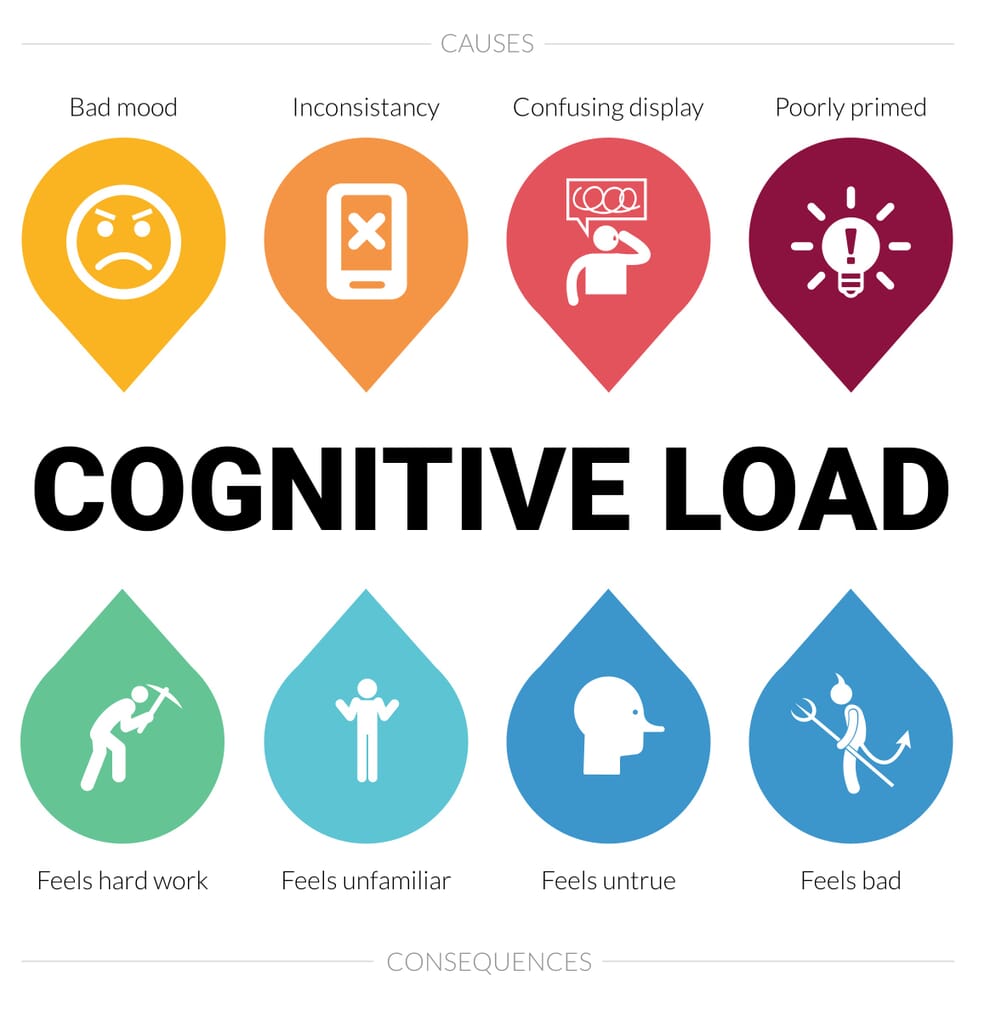
At the core of a ZeroSpectacle approach is clarity. Every interface, every interaction, and every message is intentional, leaving no room for confusion or misinterpretation. Users encounter information that is straightforward, direct, and relevant, avoiding marketing fluff or overly complex visuals that might obscure meaning. This clarity reduces cognitive load, allowing users to focus on the task at hand rather than deciphering the system’s intentions. When users feel confident that what they see is what they get, trust is established naturally, and engagement deepens over time.
Simplicity in design does not equate to a lack of sophistication. Rather, it requires a deliberate focus on user needs and behavior. In a ZeroSpectacle environment, designers prioritize functionality over adornment, ensuring that every component contributes meaningfully to the overall experience. Navigation becomes intuitive, workflows are logical, and feedback is immediate and actionable. Users recognize that the system respects their time and intelligence, reinforcing a sense of reliability. This kind of design communicates competence and accountability, both of which are foundational to trust.
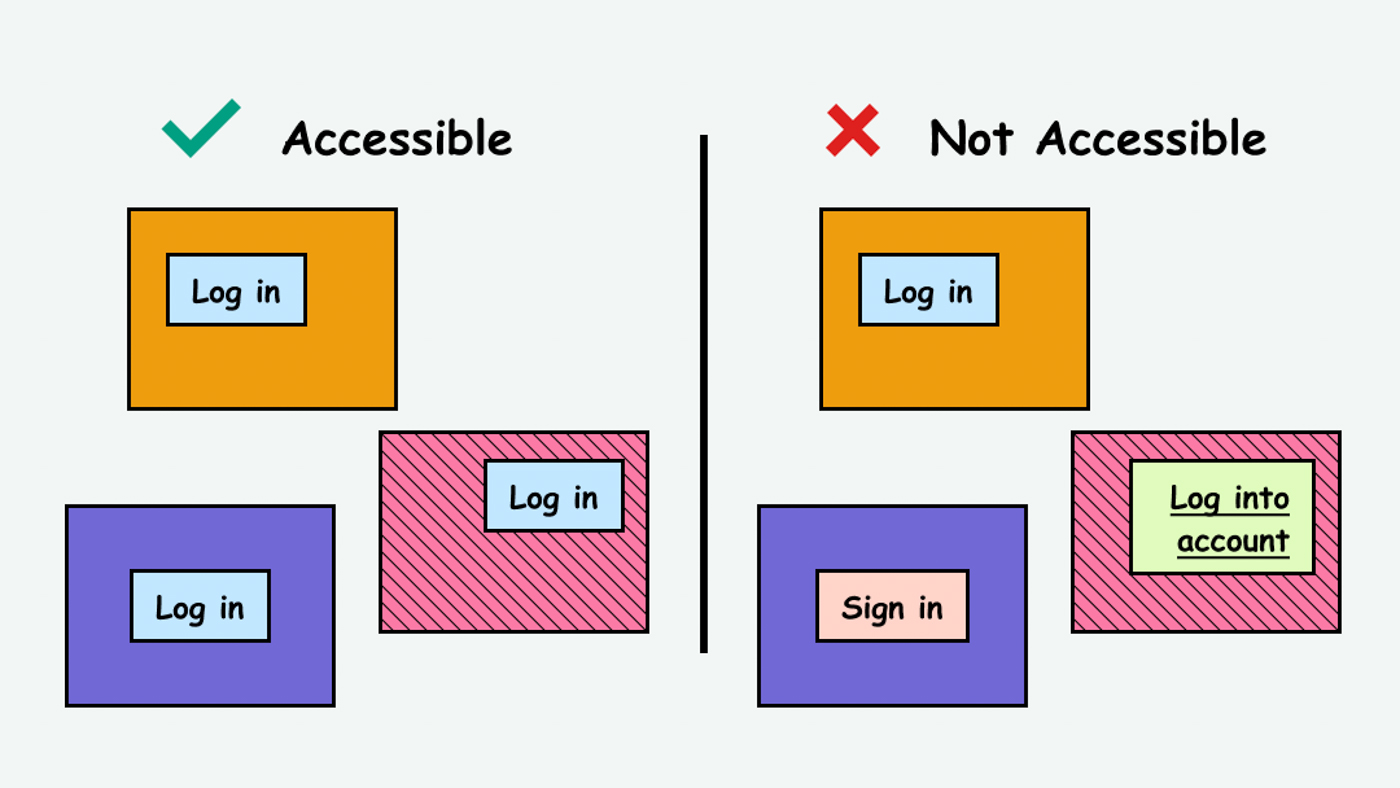
Consistency is another pillar of trust in a ZeroSpectacle experience. Users develop expectations based on previous interactions, and when those expectations are met consistently, confidence in the system grows. This consistency spans visual design, interaction patterns, and communication tone. Whether users are accessing the platform via a mobile device, desktop, or another channel, they encounter familiar cues that guide their behavior predictably. This predictability reduces uncertainty and anxiety, reinforcing a sense of safety that is essential for long-term user relationships.
Transparency enhances trust by providing users with insight into how the system operates and what to expect. In a ZeroSpectacle environment, transparency manifests in clear labeling, honest error messages, and accessible explanations for actions or restrictions. Users are not left guessing about hidden fees, complex rules, or ambiguous outcomes; instead, they are given the information they need to make informed decisions. This openness signals integrity and respect, qualities that users subconsciously associate with trustworthy systems. When combined with simplicity and consistency, transparency creates a robust framework for credibility.
Feedback plays a crucial role in building trust within a ZeroSpectacle model. Every action taken by the user is acknowledged appropriately, and outcomes are communicated promptly. Feedback is concise, meaningful, and free from embellishment, allowing users to understand the consequences of their actions without distraction. By responding predictably and fairly to user input, the system reinforces a sense of control and reliability. Users internalize this feedback as a measure of the system’s competence, further strengthening trust over repeated interactions.
ZeroSpectacle experiences also emphasize restraint in communication. Notifications, prompts, and alerts are delivered only when relevant and necessary, avoiding overload or interruption. Users are spared from superfluous messages that can dilute important information or induce fatigue. This disciplined approach conveys that the system prioritizes the user’s focus and respects their attention, enhancing perception of reliability. The absence of spectacle is itself a signal: it communicates confidence in the system’s functionality and an assurance that it does not need gimmicks to gain engagement.
Another aspect is the subtle reinforcement of reliability through performance. Systems that operate smoothly, load quickly, and handle errors gracefully project competence without needing overt demonstration. Users notice the absence of friction more than the presence of flair, and this seamlessness becomes a form of silent assurance. In environments where attention is a scarce resource, reliability without spectacle becomes a powerful differentiator, fostering loyalty and repeated use. Users trust what works consistently and effortlessly, and ZeroSpectacle design ensures that the experience embodies this principle at every touchpoint.
Security and privacy practices are naturally aligned with ZeroSpectacle philosophy. By embedding secure protocols, transparent data usage policies, and straightforward consent mechanisms, users can interact without hesitation. There is no need for dramatic assurances or elaborate visualizations; instead, trust is conveyed through the seamless integration of protective measures that operate unobtrusively. When users feel their data and privacy are respected as a baseline, confidence in the system deepens organically, without reliance on performative cues.
Accessibility also benefits from the absence of unnecessary spectacle. When interfaces are clean, interactions are intuitive, and content is readable, users of all abilities can engage effectively. This inclusivity reinforces trust by demonstrating that the system considers and accommodates a diverse audience, reflecting reliability and social responsibility. The straightforward design ensures that accessibility is not an afterthought but an inherent feature, further cementing the credibility of the experience.
Ultimately, ZeroSpectacle experience is about aligning perception with reality. Users come to understand that what they see is a direct reflection of what they can expect. There are no hidden complexities masked by showy design, no overstated claims undermining authenticity. This alignment fosters a psychological sense of honesty: users are confident that the system is truthful in its communication, competent in its operation, and respectful in its interactions. Trust emerges not from persuasive techniques but from the integrity of the experience itself.
By prioritizing clarity, consistency, transparency, meaningful feedback, restraint, reliability, security, and accessibility, ZeroSpectacle design creates an ecosystem where users feel understood and valued. Each element contributes to a cohesive whole that communicates dependability without the need for embellishment. Over time, this approach builds enduring trust, encouraging deeper engagement and loyalty. In a landscape cluttered with sensory overload and exaggerated promises, the quiet assurance of ZeroSpectacle experiences stands out, proving that trust is more convincingly earned through substance than spectacle. Users learn to rely on systems that perform predictably, communicate honestly, and respect their time and attention, creating relationships that are both stable and resilient. Trust is not demanded; it is cultivated, quietly and consistently, through an experience that delivers exactly what it promises, without distraction or pretense.