In the digital age, the way we experience information and interact with technology increasingly depends on systems that promote clarity and minimize distraction. Centered uniformity is one such principle, emphasizing consistency and alignment across interfaces, communications, and experiences to maintain focus. When elements are organized coherently and predictably, the human mind can navigate, process, and retain information more effectively. This approach leverages our natural cognitive preferences for order, symmetry, and balance, reducing the cognitive load required to decipher complex layouts or disparate sources of data. By providing a stable and familiar visual or operational framework, centered uniformity allows users to anticipate outcomes and engage with content more intentionally.
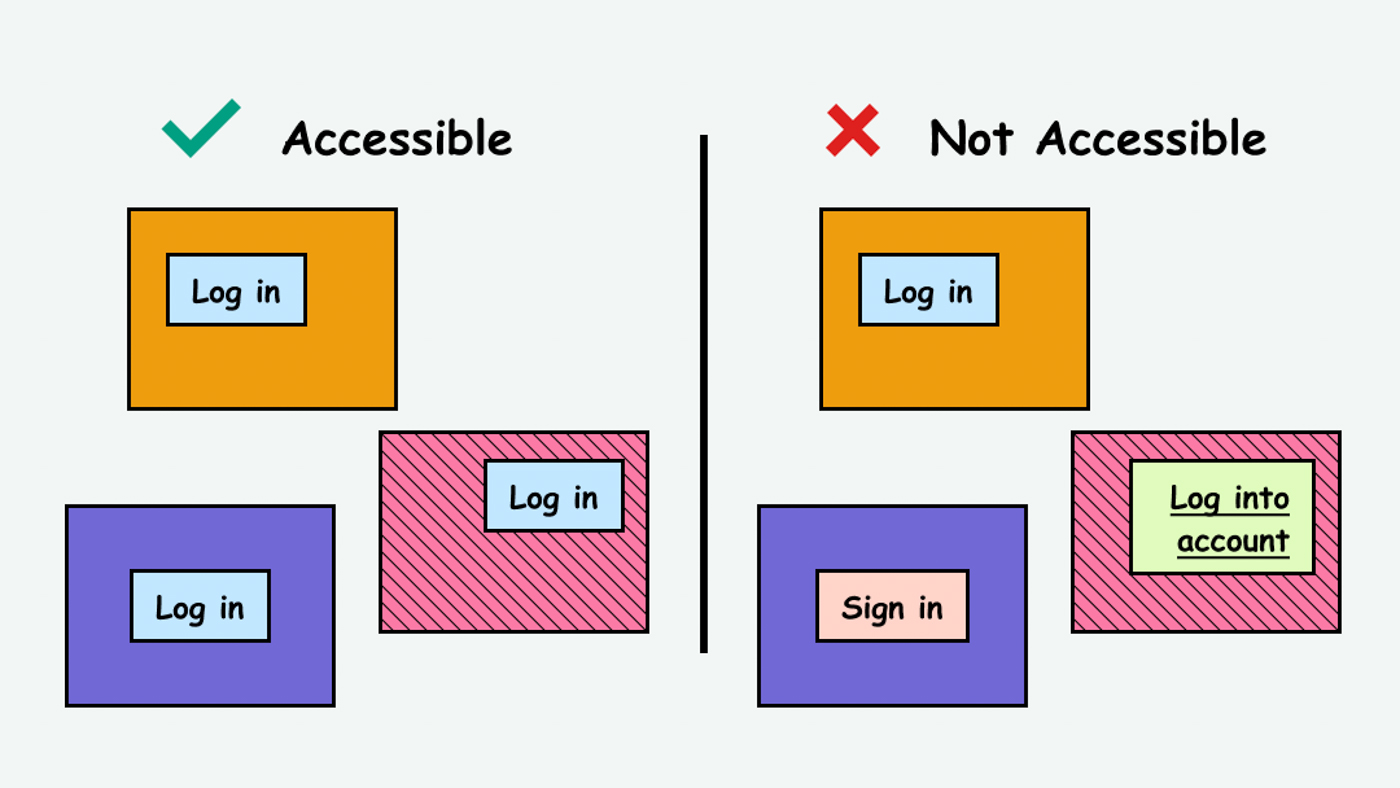
In design, the benefits of centered uniformity are particularly apparent. Consider user interfaces where navigation buttons, icons, and interactive elements are consistently placed and styled. When these elements follow a uniform structure, users spend less time searching for functionality and more time engaging with content. Predictable placement reduces errors, increases efficiency, and fosters a sense of control. Similarly, in written or visual communications, uniform formatting, spacing, and typographic choices create a cohesive narrative, enabling readers to follow the flow of information without unnecessary interruptions. This coherence not only enhances comprehension but also contributes to aesthetic appeal, creating an experience that feels organized and deliberate rather than chaotic or haphazard.
Beyond the visual realm, centered uniformity also applies to processes and workflows. Standardized procedures, clear labeling, and uniform protocols simplify complex tasks, ensuring that each step aligns with expectations and reduces the likelihood of oversight. For teams working collaboratively, this uniformity establishes a shared understanding, minimizing miscommunication and increasing efficiency. In operational settings, repetitive and predictable structures create rhythm, allowing participants to anticipate needs and respond proactively. In essence, uniformity becomes a scaffold that supports focus, enabling individuals to channel attention toward meaningful tasks rather than spending energy on deciphering inconsistencies.
Psychologically, the advantages of centered uniformity are deeply rooted in how humans perceive and respond to their environment. Our brains are wired to recognize patterns and seek predictability as a means of conserving mental energy. Environments that are disorganized or inconsistent trigger a constant need for adjustment, drawing attention away from primary objectives and increasing stress levels. By contrast, uniform structures create visual and procedural predictability, allowing the mind to settle into a steady rhythm. This consistency fosters a sense of safety and reliability, reinforcing engagement and promoting sustained attention. It is particularly relevant in high-stakes or cognitively demanding situations, where the ability to focus without distraction can directly impact performance and outcomes.
In educational contexts, applying centered uniformity can enhance learning experiences. Consistent layouts for study materials, uniform labeling of sections, and predictable sequencing of concepts help students form mental frameworks that facilitate retention and recall. For learners navigating digital platforms, a uniform interface across courses or modules reduces the effort required to locate information and complete assignments. Similarly, instructors benefit from streamlined systems where standardization allows them to allocate more time to instruction and support rather than troubleshooting inconsistencies. By reducing cognitive friction, uniformity supports deeper engagement with the material, enabling learners to build connections and understand complex ideas more thoroughly.
In professional communications, uniformity establishes credibility and clarity. Whether in corporate documents, presentations, or marketing materials, consistent use of branding elements, fonts, colors, and tone signals attention to detail and reliability. Recipients can navigate information intuitively, knowing what to expect from headings, bullet points, or callouts. This predictability enhances comprehension, allowing audiences to focus on content rather than deciphering format variations. Additionally, centered uniformity can improve accessibility, ensuring that materials are easier to read and navigate for diverse audiences, including those with cognitive or visual challenges. By creating a familiar structure, communicators reduce barriers to understanding, promoting inclusion and engagement.
Technology platforms increasingly integrate centered uniformity to optimize user experience. From mobile applications to enterprise software, uniform layouts and interactions reduce friction and enhance usability. For instance, consistent placement of menus, standard icons for common actions, and predictable workflows allow users to complete tasks efficiently, minimizing errors and frustration. In complex systems, uniform feedback mechanisms, such as alerts or notifications, help users understand the significance of events and respond appropriately. This structural reliability cultivates confidence, encouraging more effective use of technology while reducing the cognitive strain associated with navigating inconsistent systems.
Even in creative fields, centered uniformity plays a subtle yet significant role. In visual arts, music composition, or literature, patterns and recurring structures provide anchors that guide attention and foster cohesion. Symmetry, rhythm, and repetition create a sense of familiarity, allowing audiences to engage with innovation without feeling disoriented. The tension between uniformity and variation often defines aesthetic appeal, where predictable frameworks are balanced with novel elements to maintain interest while preserving clarity. This principle underscores that uniformity does not equate to monotony; rather, it provides a foundation upon which focused and meaningful exploration can occur.
In personal productivity and habit formation, centered uniformity can enhance focus by establishing predictable routines and organized environments. Workspaces that follow consistent layouts, tools that maintain standard configurations, and schedules that repeat familiar patterns reduce decision fatigue and support sustained attention. When daily activities are structured uniformly, the mind can allocate resources toward creative problem-solving or deep work rather than constant adjustment. Similarly, time management systems that employ uniform categorization, reminders, and prioritization frameworks help individuals maintain focus and execute tasks efficiently.
Ultimately, centered uniformity serves as a guiding principle that bridges functionality, psychology, and aesthetics. It recognizes the human need for predictability while facilitating engagement, comprehension, and performance. By aligning visual elements, procedural steps, and experiential cues, uniformity creates an environment in which focus is preserved, distractions are minimized, and attention can be directed toward meaningful goals. Whether in digital interfaces, educational systems, professional communications, or personal routines, the application of uniformity ensures that complexity is navigable, processes are reliable, and experiences are coherent. By emphasizing consistency and centered alignment, it empowers individuals and teams to operate with clarity, confidence, and sustained concentration, making it an indispensable strategy for achieving efficiency and clarity in a world where attention is increasingly fragmented.
In sum, the value of centered uniformity lies in its ability to create a stable and predictable framework that supports cognitive function, enhances engagement, and improves performance. It leverages natural human tendencies toward pattern recognition, reduces unnecessary cognitive load, and provides a coherent structure across visual, procedural, and experiential domains. Whether applied to design, communication, technology, learning, or personal organization, centered uniformity enables focus to be maintained, attention to be directed purposefully, and outcomes to be achieved efficiently. By fostering consistency and predictability, it not only clarifies the environment but also cultivates an internal sense of order and control, reinforcing the capacity to engage deeply and sustain meaningful effort over time.
The principle of centered uniformity is therefore not merely a design aesthetic or organizational tactic; it is a fundamental strategy for optimizing human attention and performance. By thoughtfully structuring environments, processes, and communications, it transforms potentially chaotic or overwhelming experiences into navigable, coherent systems. In doing so, it reduces stress, increases efficiency, and supports sustained engagement, ensuring that individuals and organizations can operate at their best while maintaining clarity of purpose and focus of attention.





Be First to Comment