In any environment where decisions must be made quickly, the presence of a judgment-sheltering pace becomes invaluable, offering the mental space necessary to consider options thoughtfully. When individuals are not pressured by external forces to act immediately, cognitive processes have the opportunity to operate without interruption, leading to more considered and rational outcomes. Reflection is often the unseen component of effective decision-making; it allows for the recognition of patterns, evaluation of prior outcomes, and assessment of potential consequences. The rhythm of a sheltered pace encourages this reflective behavior, creating a buffer against impulsivity and error.
The value of such a pace extends beyond individual cognition and permeates group dynamics. In collaborative settings, when participants are afforded the time to process information, the quality of discussion improves. Ideas are articulated more clearly, counterpoints are evaluated with care, and agreements are reached with a greater sense of consensus. This pacing reduces the risk of reactionary decisions that may satisfy immediate needs but fail to account for long-term implications. By intentionally structuring interactions to accommodate reflection, teams develop resilience, as their solutions are rooted in deliberate thought rather than hurried responses.
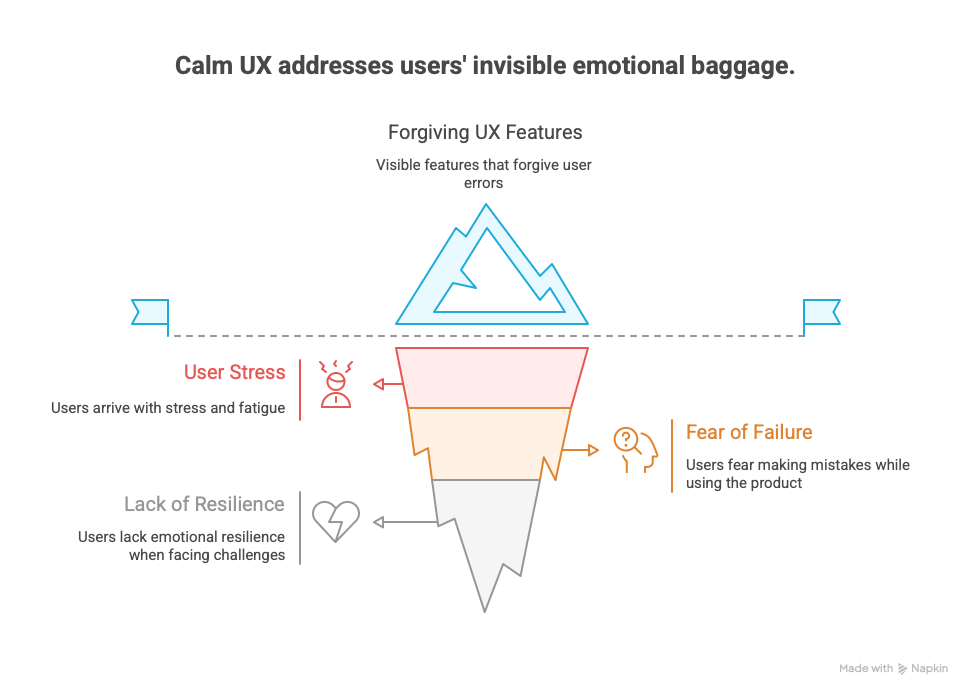
Judgment-sheltering pacing also plays a crucial role in emotional regulation. High-pressure environments often trigger stress responses, which can cloud reasoning and lead to choices that prioritize short-term relief over long-term benefit. Allowing individuals the latitude to pause and contemplate creates a psychological cushion, mitigating the intensity of emotional reactions. In this way, reflection acts as a mediator between instinctive responses and reasoned judgment, enabling a balance that supports both mental well-being and sound decision-making.
The influence of this pace is evident in learning contexts. When learners are not rushed, comprehension deepens, and retention improves. Reflection permits the integration of new information with existing knowledge, fostering critical thinking and the development of nuanced perspectives. Students or trainees can analyze mistakes without fear, understanding the reasoning behind outcomes and adjusting their strategies accordingly. This iterative process of reflection, reinforced by a steady pace, enhances mastery and cultivates intellectual autonomy, allowing individuals to navigate complex tasks with confidence.
Technology, often designed to maximize speed and efficiency, can paradoxically undermine this reflective space. Instant notifications, rapid-fire communication, and real-time feedback loops create a constant state of cognitive alertness that can erode the ability to pause and consider. To counteract this, intentional design that embeds temporal buffers can support reflection. Whether through interfaces that delay non-critical alerts, platforms that encourage stepwise review, or systems that provide reflective prompts, technology can be leveraged to preserve judgment-sheltering moments. These interventions ensure that speed does not come at the expense of thoughtful consideration.
In organizational leadership, pacing decisions to allow reflection fosters more ethical and strategic choices. Leaders who operate under constant urgency may inadvertently prioritize expedience over integrity, overlooking broader implications for stakeholders. By consciously adopting a tempo that includes reflective intervals, leaders can weigh ethical dimensions alongside operational imperatives, considering both immediate outcomes and long-term reputation. This reflective leadership nurtures trust within teams, as decisions are perceived as measured, transparent, and aligned with shared values.
Creativity benefits significantly from judgment-sheltering pacing. Innovation often emerges from the interplay of exploration and incubation. When ideas are given the opportunity to gestate, connections between disparate concepts can surface, leading to original solutions. A hurried environment may stifle this process, as immediate evaluation or rejection of ideas can prevent the subconscious synthesis necessary for creativity. Reflection, facilitated by a deliberate pace, allows for experimentation without the fear of immediate failure, cultivating a culture where imaginative approaches are valued and developed.
Interpersonal communication is similarly enhanced by reflective pacing. Conversations conducted under pressure can lead to misunderstandings, defensive reactions, and superficial resolutions. A rhythm that encourages pauses enables active listening, empathetic engagement, and the thoughtful articulation of responses. Reflection within dialogue allows participants to consider context, anticipate reactions, and frame contributions constructively. The result is richer interaction, deeper connection, and more sustainable agreements, as the process itself reinforces mutual understanding and respect.
The integration of judgment-sheltering pace into habitual routines reinforces cognitive discipline. Daily practices that incorporate moments for reflection—whether through structured breaks, contemplative exercises, or deliberate review of tasks—strengthen the mind’s capacity for deliberate thought. Over time, individuals internalize this tempo, naturally approaching decisions with measured consideration rather than defaulting to reactionary patterns. This self-regulated approach promotes consistent quality in decision-making, reduces susceptibility to bias, and enhances adaptability in the face of novel challenges.
Societal systems can also benefit from this principle. Policymaking, public discourse, and legal proceedings often suffer when speed is prioritized over deliberation. Introducing structured intervals for reflection allows for comprehensive examination of evidence, engagement with diverse perspectives, and the anticipation of unintended consequences. Judgment-sheltering pacing at the societal level cultivates governance that is not merely efficient but also just, resilient, and responsive to complex realities. In such systems, decisions are informed not only by data but by thoughtful consideration of human impact.
Ultimately, the essence of judgment-sheltering pace lies in its recognition of human cognitive and emotional limitations. By respecting the natural rhythms of thought and allowing space for reflection, individuals and organizations achieve a more harmonious balance between action and contemplation. Decisions made under such conditions are more likely to be rational, ethical, and effective, providing a foundation for sustainable progress. The deliberate cultivation of this pace is not a concession to slowness but an investment in the quality and durability of outcomes. Reflection, nurtured by a sheltered pace, becomes both a practical strategy and a guiding philosophy, ensuring that choices are informed, thoughtful, and attuned to the broader consequences they engender.
The capacity to act judiciously is amplified when time is afforded to consider context, alternatives, and implications. Rather than perceiving pauses as delays, they should be embraced as opportunities for deep engagement with the material at hand. Thoughtful reflection, supported by a rhythm that shelters judgment, allows for the discernment necessary to navigate complexity, mitigate risk, and cultivate insight. Through this lens, patience is not passivity; it is an active investment in the quality of thought and the integrity of decisions. By embedding reflection into the cadence of action, individuals, teams, and systems achieve clarity, resilience, and sustainable success.
Judgment-sheltering pace, therefore, is both a protective measure and a catalyst for growth. It safeguards against impulsivity, emotional volatility, and cognitive overload while simultaneously fostering learning, creativity, ethical consideration, and meaningful interaction. Its benefits ripple outward, enhancing individual performance, collective decision-making, and systemic functionality. By consciously valuing and implementing this rhythm, one creates a space where thoughtfulness is not incidental but foundational, ensuring that reflection informs action in a way that is deliberate, balanced, and enduring.
Reflection, when supported by the right pace, transforms decision-making from a reactionary act into a deliberate, considered process. It allows for the integration of knowledge, experience, and foresight, resulting in choices that are more comprehensive and sustainable. The judgment-sheltering environment nurtures the interplay between cognition and emotion, thought and intuition, enabling a harmony that maximizes effectiveness and minimizes regret. In this space, decisions are not rushed; they are cultivated, weighed, and articulated with precision. The deliberate tempo, therefore, is an essential enabler of thoughtful engagement, providing both the time and mental clarity required to navigate complex landscapes with confidence and integrity.
The practice of embracing judgment-sheltering pace requires intention, discipline, and recognition of its value across contexts. Whether in personal decision-making, organizational leadership, collaborative work, or societal governance, the benefits of structured reflection are profound. It fosters clarity, reduces errors, enhances creativity, and builds trust. By honoring the natural need for cognitive processing, individuals and systems alike cultivate a resilience that is informed, deliberate, and sustainable. Reflection becomes a guiding principle, ensuring that actions are grounded in understanding, tempered by insight, and oriented toward meaningful outcomes.
Ultimately, the intersection of reflection and pace cultivates an environment where judgment is protected, thoughtfulness is prioritized, and decisions are made with confidence and foresight. The deliberate rhythm of consideration is not merely a procedural choice but a philosophical commitment to the quality and integrity of thought. It reinforces the understanding that meaningful action arises not from haste, but from the careful calibration of timing, insight, and intentionality, ensuring that outcomes are both responsible and effective.
A judgment-sheltering pace does more than protect decisions; it empowers individuals and organizations to engage with complexity fully, to balance immediacy with foresight, and to act in ways that are thoughtful, measured, and enduring. Through reflection, the mind navigates uncertainty with clarity, evaluates possibilities with discernment, and chooses paths that align with both reason and values. In this rhythm, patience becomes an instrument of insight, contemplation a precursor to action, and the space for reflection a cornerstone of sustainable excellence.
This deliberate approach, sustained across contexts and decisions, cultivates an ecosystem where thoughtfulness is habitual and reflection is integral. Individuals develop the capacity to act with foresight, teams operate with cohesion and clarity, and systems function with resilience and fairness. The judgment-sheltering pace transforms environments of pressure into spaces of thoughtful engagement, ensuring that choices are informed, balanced, and aligned with long-term objectives. In essence, it is the foundation upon which quality, integrity, and sustainable success are built.
Reflection nurtured by a judgment-sheltering pace is not simply an advantage; it is a necessity for navigating the intricate interplay of thought, emotion, and consequence. It equips individuals with the cognitive and emotional bandwidth to make decisions that are reasoned, ethical, and durable. By embedding pauses and contemplative intervals into the flow of action, environments become conducive to careful consideration rather than impulsive reaction. The resulting decisions are characterized by clarity, balance, and foresight, demonstrating the profound impact of pace on judgment and the essential role of reflection in achieving optimal outcomes.